

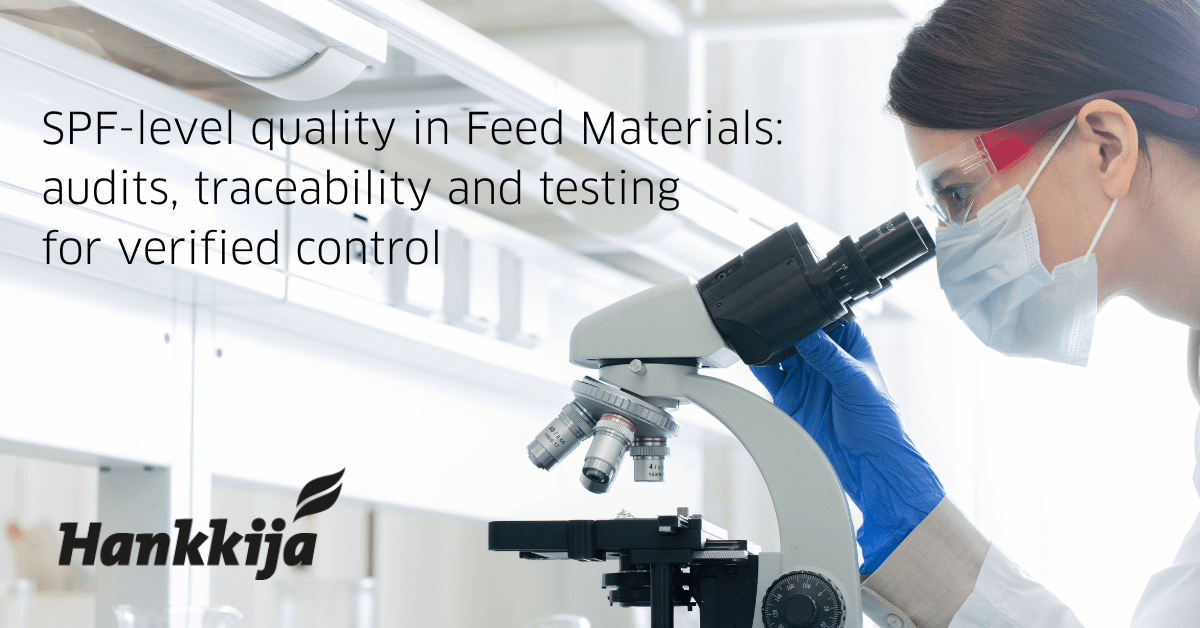
High standard pig production relies on controlled and documented systems throughout the supply chain. Feed materials and enrichment products that pigs can ingest are therefore subject to clear requirements for hygiene, traceability and analytical verification. Within SPF and comparable European production frameworks, these inputs are evaluated as part of biosecurity and quality management. This article outlines how SPF level quality principles are applied in practice through audits, testing and documented process control for feed materials.
High-health pig production in Europe increasingly depends on verifiable quality systems, not only at farm level but throughout the supply chain. Denmark’s SPF (Specific Pathogen Free) system is often referenced as a benchmark because it formalises this principle: prevention is based on defined standards, documentation and control, rather than assumptions.
Quality requirements extend beyond live animals
Modern biosecurity frameworks recognise that feed materials and enrichment products are part of the health system, especially when materials may be ingested by pigs. As a result, these inputs are expected to meet explicit requirements for hygiene, traceability and analytical control, comparable to SPF-level expectations.
ProHumi® Farm: audited and analytically controlled
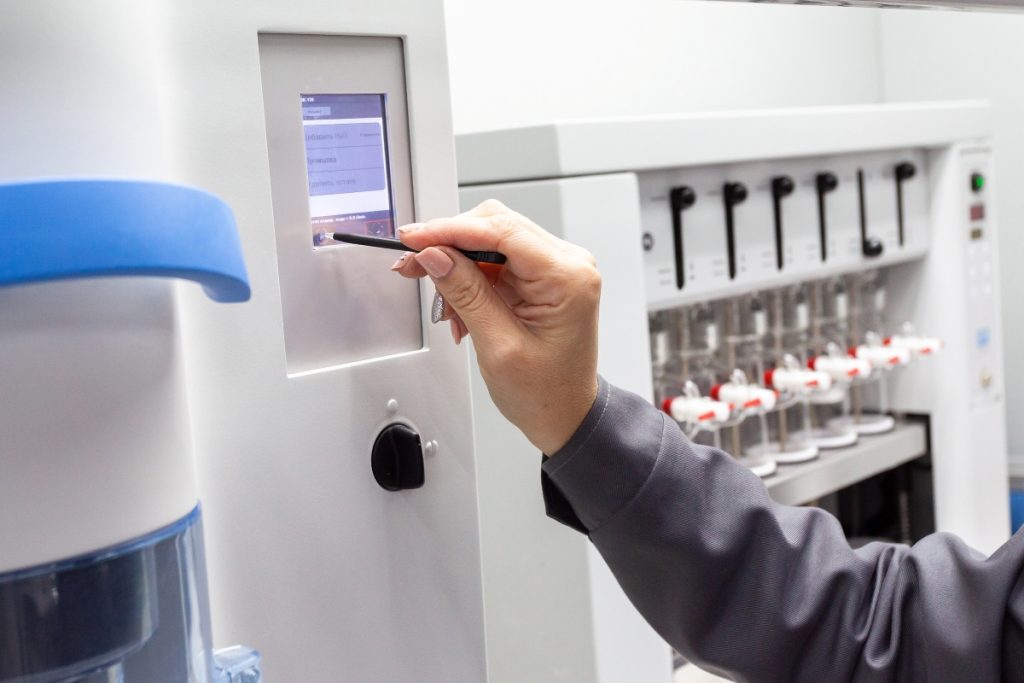
ProHumi® Farm is a peat-based feed material, suitable both for inclusion in feeding strategies and for use as enrichment. Its production and quality management system has been audited in Finland by a Danish auditor, ensuring alignment with SPF-type requirements for process control and documentation.
The quality system includes:
- Heat hygienization to ensure microbiological safety
- Routine mycobacteria testing with novel method confirming absence
- Batch-specific analytical control with certificates of analysis
- Full batch traceability from production to delivery
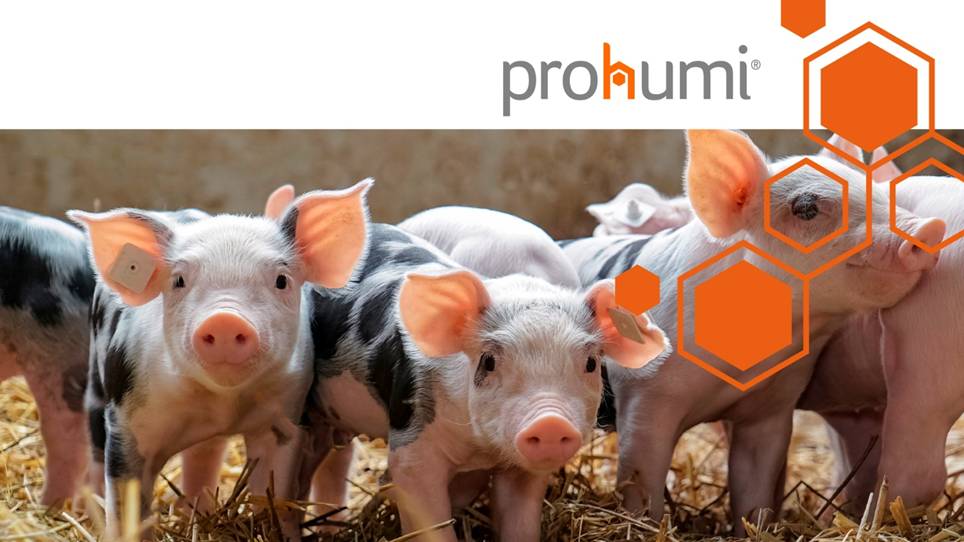
These controls are critical because the material is designed to be safe for pigs to ingest and to interact with during natural exploratory behaviour.
Safety for ingestion and enrichment use
Unlike inert enrichment materials, peat-based feed materials are consumable. This places higher demands on quality assurance, including contaminant screening and predictable composition. Documented testing and audited processes provide assurance that the material supports gut function and welfare without compromising herd health.
Relevance for SPF and other European health systems
In Denmark, the term “SPF approved” is commonly used to describe inputs that meet strict hygiene and handling expectations. Across Europe, similar requirements exist under different frameworks, but the technical logic is the same: audited production, analytical verification and traceability are essential in high-health systems.
Conclusion
For producers operating under SPF or comparable health regimes, feed materials must be evaluated as biosecurity-relevant inputs. Audits, testing and documentation are fundamental components of quality management and not administrative extras.
Takeaway: When pigs can ingest and play with a material, safety must be proven. Audited quality systems and verified analytical results are what turn welfare-supporting products into SPF-compatible solutions.
Read more:
Related
-
100 years of feed expertise – Strong partnerships along the way
-
Hankkija’s feed industry – 100 years of feed innovations
-

SPF-level quality in Feed Materials: audits, traceability and testing for verified control
-
European Veterinary Congress of Behavioural Medicine and Animal Welfare 2025
-
Hankkija at Sikaseminaari 2025: Strengthening swine biosecurity and feed safety
-

Aquaculture Europe 2025 Conference in Valencia, Spain